


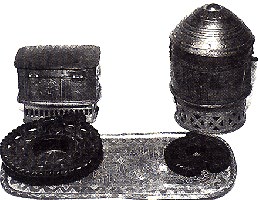
Tray and Ananane


| EARTH METROPOLIS AFRICAN ART |
| ClaudeClark.org | Educ. | African | Kuba | African Studies | Yoruba | Dogon | Igbo | Ashanti Queen Mother |Edo Art | Baule | |
| Akan Speaking People | Akyem | | Brong Ahafo | Fanti | Ashanti | | Ewe | | | | | | |
| | | |
|---|---|---|---|
| Ancient Ghana Civilization* | Gold Bars Produced from Gold in Ghana | Jerry Rawlings | Kwame Nkrumah |
| | | |
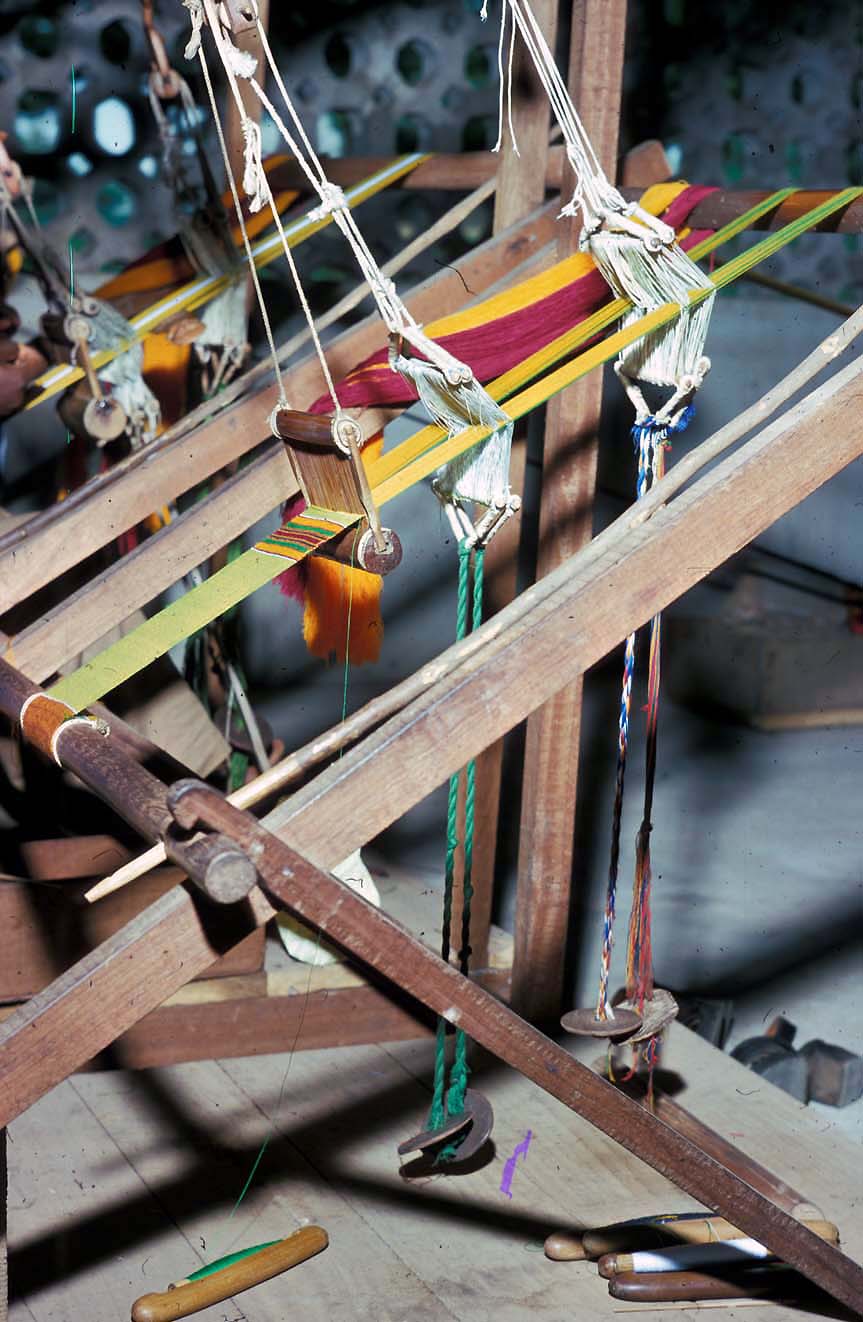
| KATANKA Car Manufacturer | Weights & Scale for Gold Dust | Frowa an Engraved Tray and Ananane | Loomb Weaving |
| | | |
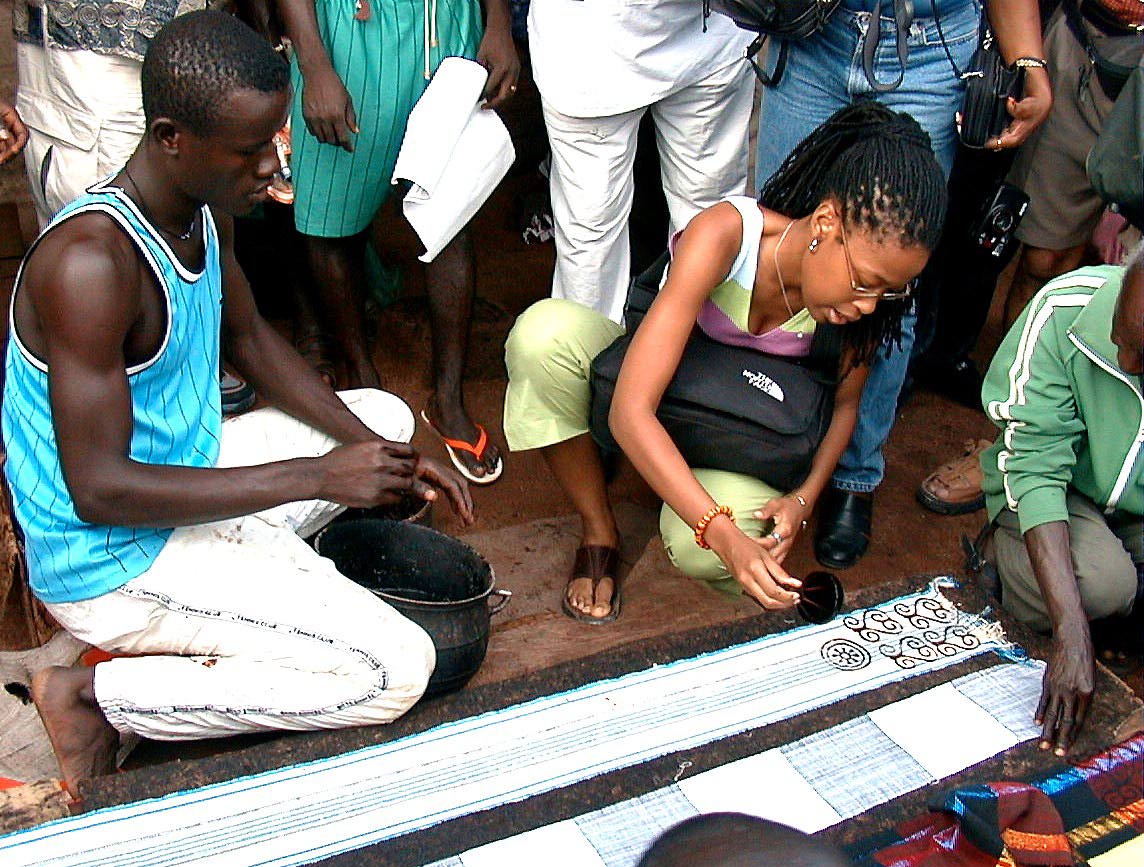
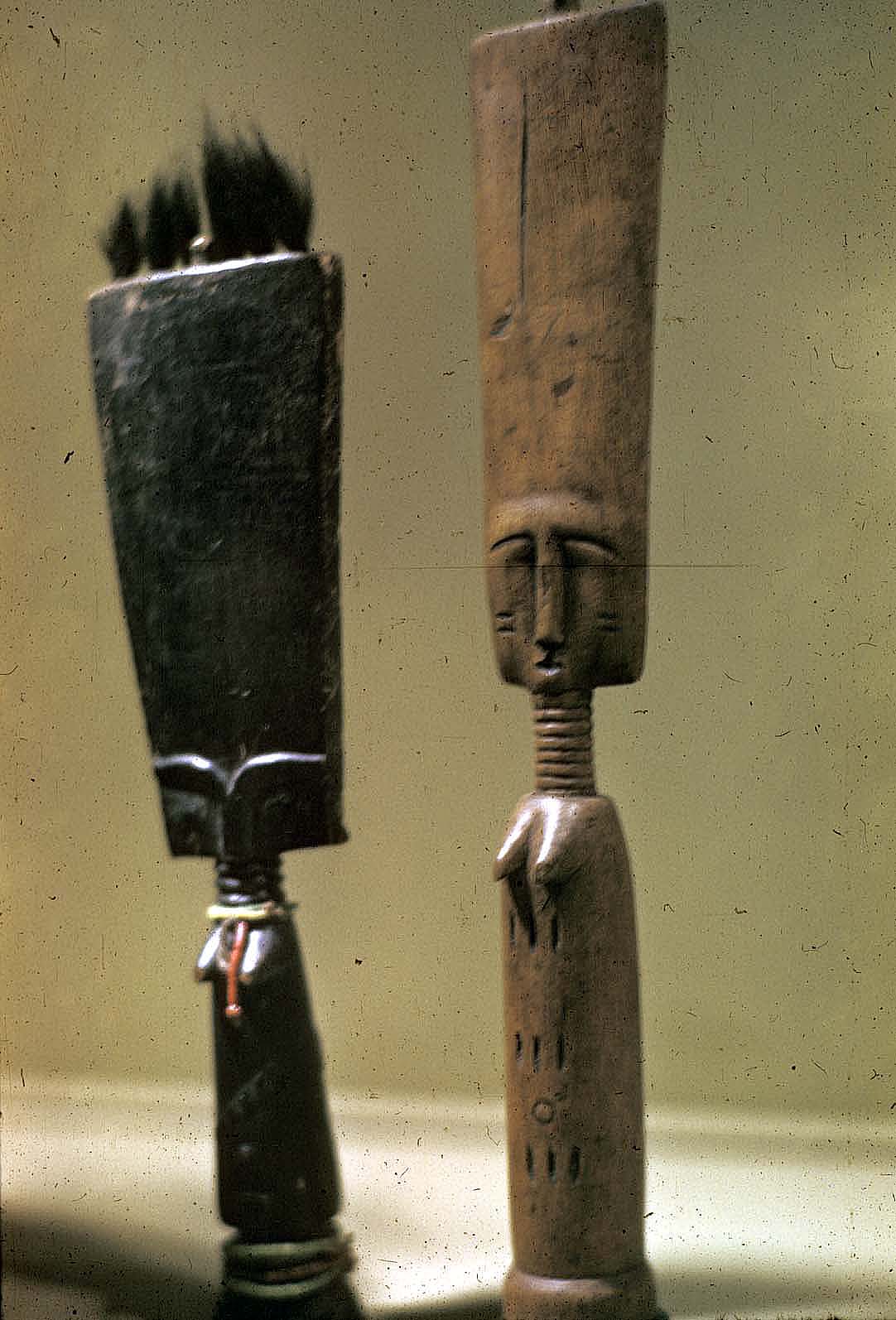
| Printing Process - Adinkra Cloth | Bath & Stool Kitchen for the Ancestors | Fanti Akuaba | Sikadwa Kofi |
| | | |
| Ewe Drums (Ewe are not Akan People) | Drum and Stool Carving | Linguist Staff | Akan Stools |
| | | |
| Earthenware Funerary Clay Vessel | Ashanti Building Structure | Queen Mother | Asantehene |
|
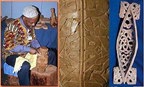
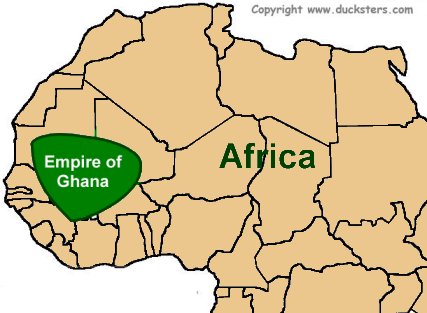
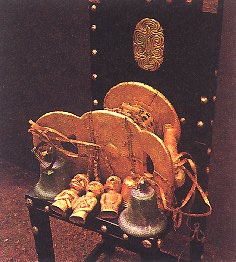
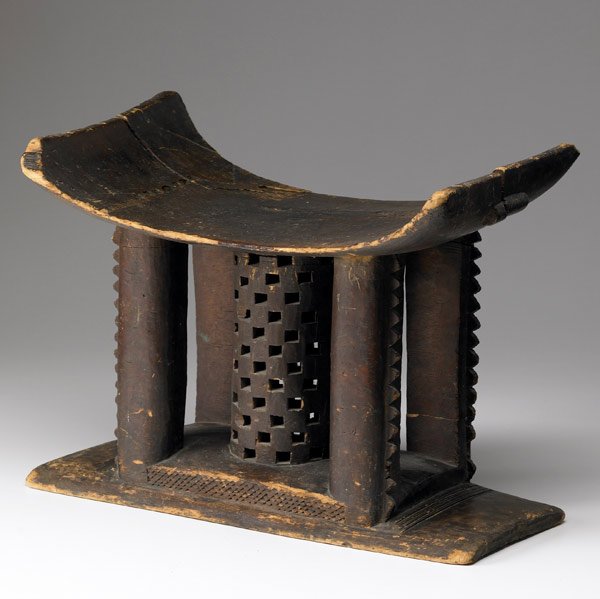
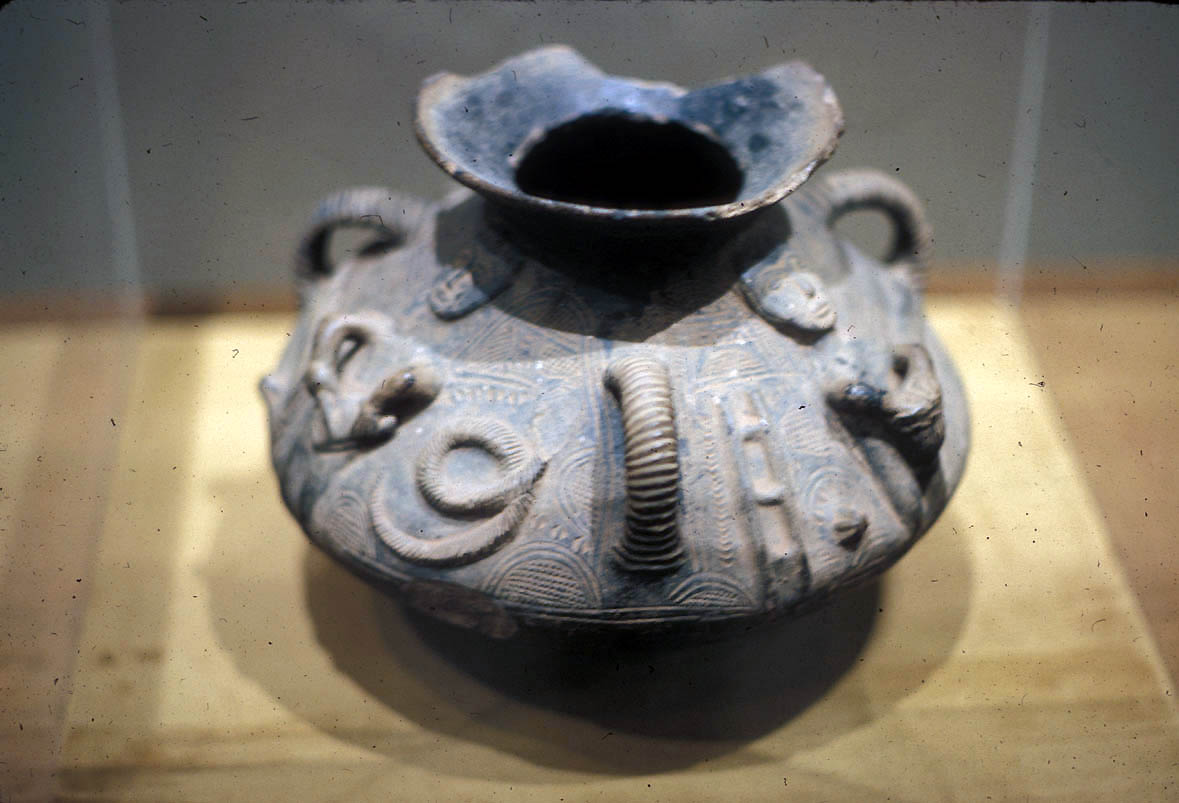
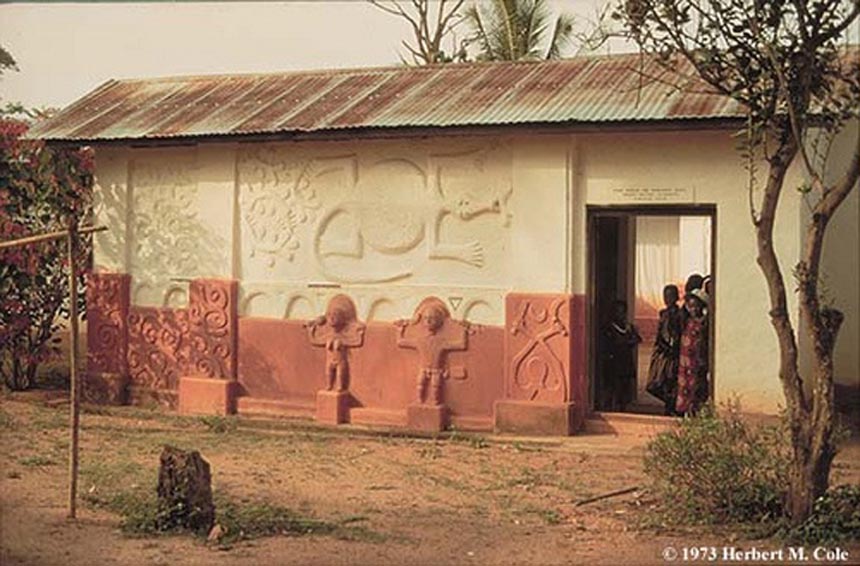
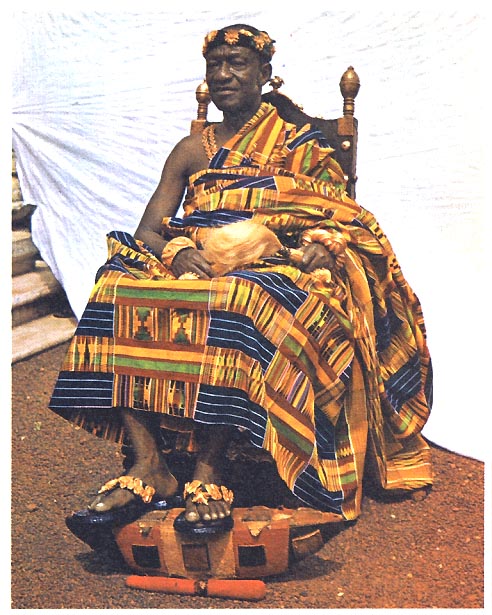
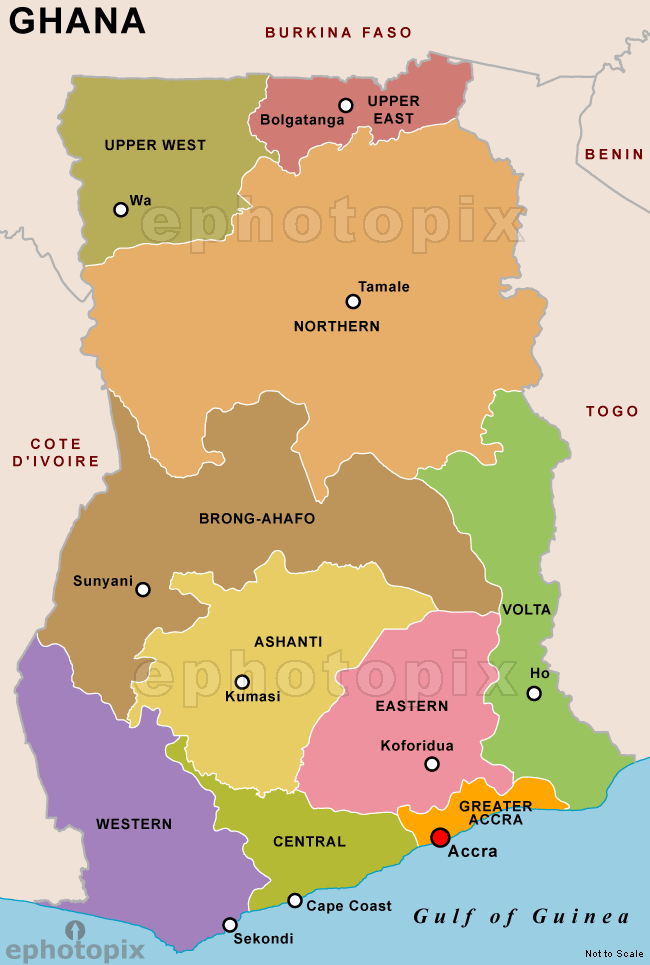
The Akan language group is the largest linguistic group of people in the Republic of Ghana. The Akan language group migrated south to the "Gold Coast" (the modern Republic of Ghana 1957) region after the fall of ancient Ghana Civilization in 600 AD. Their migration was a slow and steady one which took years to complete. A display of their industry can be seen in the above images. The first large migration began with the Akyem followed later by the Brong Ahafo. There were other groups of people in the Gold Coast region around the same time and the before the Akan speaking people arrived. |
 |  |
|---|
We will cover the art of the Ewe, Ga and people in the far northern regions of the country as well. In some cases the Akan and other linguistic groups share common art culture, which makes it difficult to consider them as separate or isolated.
A Brief History and Genesis of the Akyem - 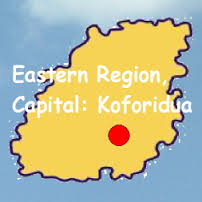 Akyem were said to have led the first wave of Akan people into to the Gold Coast Region. They originally migrated from the Sahel or Arid Steppe region in or near Mali.
The Akyem are an Akan people. The term Akyem (Akim or Aki) is used to describe a group of three states: Akyem Abuakwa, Akyem Kotoku and Akyem Bosome. These nations are located primarily in the eastern regions of modern-day Ghana. The term is also used to describe the general area where the Akyem ethnic group clusters. The Akyem ethnic group make up between 3-9 percent of Ghana's population depending on how one defines the group and are very prominent in all aspects of Ghanaian life. The Akyem are a matrilineal people. The history of this ethnic group is that of brave warriors who managed to create a thriving often influential and relatively independent state within modern-day Ghana. [1] When one talks of Ghanaian history, there is often mention of The Big Six). These were six individuals who played a big role in the independence of Ghana. Of the big six, people of Akyem descent made up the majority. History and genesis of the Akyem states[edit] Akyemmansa is the three traditional areas of Akyem in the eastern region of Ghana. Historically, it has been attested via oral history that the Akyem people were one of the first Akan people to migrate south from the Sahel to the area that became Bono state. This area is the origin of modern Akan people. A group of Akan people who left Bonoman later formed the Adansi Kingdom in the mid-14th century. The Adansis were known for their ability to build illustrious structures in their kingdom; hence the name "adansi" (builders). In the first half of the 17th century, the area of what is now Ghana was dominated by three states the Denkyera, the Adansi, and the Akwamu. Within the Adansi state there were three military posts in the Western Portion Akyem Abuakwa, Akyem Kotoku, and Akyem Bosome.[2] Eastern Adansi as an entity lost much of its identity due to conflicts with neighboring states namely the Denkyira and much of it was absorbed in the Denkyira empire. The remnants of it, the Akyem states on the West were too strong to bring under Denkyira control. This gave rise to the identity and notoriety of the Akyem states in the later 17th century. Thus, during the second half of the 17th century the area which became Ghana was dominated by three states the Denkyera, Akyem and Akwamu.[3] The rising Ashanti Kingdom flourished under the leadership of Nana Osei Tutu, and during their ascendancy assimilated the once powerful Denkyira into the growing empire in the early 18th century. The Akyem nations, in an attempt to maintain autonomy and not crumble like the former superpower Denkyira, fled across the River Pra to reinforce its military posts. Nana Osei Tutu chose to pursue the Akyem across the River Pra to teach them a lesson and, to attempt to further build the Ashanti Empire and expand its influence over another of its former subordinates. The Ashanti states which now included the former Denkyira empire used a methodology which involved overwhelming the opposing nation with sheer numbers and, demanding that they surrender. While crossing the river with his massive army, he was ambushed by the Akyems and fell dead into the river, while his massive army was defeated. This was on a Thursday; this brought forth the great oath of the Ashantis, "Meka Yawada" (I swear by Thursday). The Akyems who carried out this ambush were known as "abuakwanfo" or "abuakwafo" (guerrilla fighters). After the battle the Akyem moved southeastwards. As a result of this movement, , especially the Kotokus, settled in the present-day Ashanti-Akyem area. some of the Akyems. The majority of the Akyems, however, continued to flee south-eastwards and settled in several areas along the way until they came into contact with the Akwamu, another one of the original three 17th-century powerful Akan states, which had influences from modern-day Ghana all the way to Benin.
18th-century Akyem-Akwamu war[edit] The Akyems, especially the elite forces known as the Abuakwas but also the Kotokus, fought the Akwamus and emerged victorious. In defeating the Akwamu, the Akyem got control of the land the Akwamu had been occupying that belonged to the Ga nation, and the Ga people were allowed more autonomy in their historic lands. Accra came under Akyem rule as they were Akwamu areas. Frimpong Manso of Kotoku and Ba kwante of Abuakwa shared authority over Accra and the Adangbe area. Owusu Akyem, son of a sister of the Okyenhene, became the administrator of the Adangbe area. Historian J. K. Fynn writes the following:[3] The Akyem conquest of Akwamu in 1730 was one of the most decisive victories in Gold Coast history. The event was described by contemporaries as the greatest revolution that had taken place in that part of the world. Since the Akwamu themselves destroyed the old Ga Kingdom in the late seventeenth century. After the war the Akyem Abuakwas made their temporary capitals in several former Akwamu areas, including Praso, until they finally settled at Pameng. However, it was during the reign of Nana Ofori Panin that the capital of Akyem Abuakwa was finally moved to "Kyebirie" (named after a black hat used by a hunter using the area as his hunting grounds). It is now known as Kyebi.
Wikipedia Website - http://en.wikipedia.org/wiki/Akyem A Brief History of the Brong Ahafo - 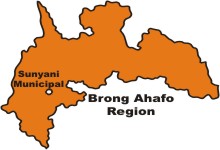 Brong are a matrilineal people. The Brong Ahafo Region is considered the breadbasket of Ghana and its people, Brong Ahafo, one of the oldest Akan ethnic groups in the Republic of Ghana today bearing their original name as a people and original Akan dialect. The Brong ruller Nana Akumfi Ameyaw III can trace his lineage back to 1328 during the reign of Nana Akumfi Ameyaw I. The Brong are responsible for the largest migration of Akan people from Burkina Faso to the Gold Coast region that we call Ghana today. Some Akan people dispersed to other areas of West Africa. But the largest contingency ended up in the Republic of Ghana. The Brong Ahafo are responsible for the development of brass weight and gold dust to create an Akan monetary system. King Nana Akumfi Ameyaw I is credited with that as well. The early designs in what has become known as kente cloth are Brong as well. The Brong Ahafo Region was created on 4th April 1959 (by the Brong Ahafo Region Act No. 18 of 1959). The Act defined the area of the Brong Ahafo Region to consist of the northern and the western part of the then Ashanti Region and included the Prang and Yeji areas that before the enactment of the Act formed part of the Northern Region. Before the Ashanti Empire was conquered by the British in 1900, the Brong and Ahafo states to the north and northwest of Kumasi (the capital of Ashanti empire and the present Ashanti Region) were within the empire. Nana Akumfi Ameyaw III traces his ancestry to King Akumfi Ameyaw I (1328-63), under whose reign the Brong Kingdom with its capital at Bono Manso grew to become the most powerful kingdom of its time. Indeed oral tradition has it that nearly all the different groups of the Akans, including the Asante, trace their origins to Bono after migrating from the “north”. The first remembered King of the Bono Kingdom is King Asaman, who is credit with leading his Akan people from what may be present day Burkina Faso or even further north, to Bonoland (Buah, 1998). Later migrations led to the Asantes, Fantes, Denkyira and other Akans settling in their present locations. Nana Akumfi Ameyaw is credited with the creation of gold dust as a currency and gold weights as a measure, later developed and adopted by all the other Akan groups, particularly the Asante. Legend has it that he even supported his yam shoots with sticks made of pure gold. It was when King Opoku Ware of Asante defeated Bono in 1723 and destroyed Bono Manso that the capital moved to Techiman (Takyiman). Techiman and other Bono states therefore came under the Asante Empire until 1948 when Akumfi Ameyaw III led the secession of Bono from Asante, supported by other Bono states such as Dormaa. The most significant change the British administration in Ashanti brought to the people of the Brong and Ahafo states until 1935 was that it made them independent of Kumasi clan chiefs (Busia, 1951, pp. 165-166). The British administration worked out a strategy that severed the interference of the Kumasi clan chiefs with the internal affairs of the Brong and Ahafo states. When the Ashanti Confederacy was restored in 1935 by the British administration, however, most of the Brong and Ahafo states saw that their independence from Ashanti was being threatened, because by restoring the Ashanti Confederacy, they were to revert to their former overlords in Kumasi. Though the Brong states joined the Ashanti Confederacy, most of them were not happy with the re-union because they felt their long historical association with Ashanti had brought them nothing. The opportune time came when in 1948 Nana Akumfi Ameyaw III, the Omanhene (paramount chief) of Techiman led Techiman to secede from the Ashanti confederacy (Austin, 1964, p. 294). The secession of Techiman was supported by some of the Brong states and this led to the formation of the dynamic Brong political movement, Brong Kyempem Federation. The movement was formed in April 1951 at Dormaa Ahenkro under the auspices of the Dormaa State.3 The main objective of the movement was to struggle for a separate traditional council and a separate region for the Brong Ahafo states. The name of the movement was later changed to the Brong Kyempem Council. In March 1955, the Prime Minister informed the National Assembly that the government was considering “the possibility of setting up a Brong Kyempem Council” to fulfil the desire of the Brongs for the establishment of a development committee for their area and that the government would “examine the case for the establishment of two administrative regions for Ashanti”. In March 1959, the Brong Ahafo Bill was passed under a certificate of urgency by Parliament. The Brong Ahafo Region Act was enacted after receiving the Governor General’s assent. Sunyani was made the capital of the new region. Government of Ghana Website (gh) an Official Portal - http://www.ghana.gov.gh/index.php/about-ghana/regions/brong-ahafo
A Brief History of the Fanti - 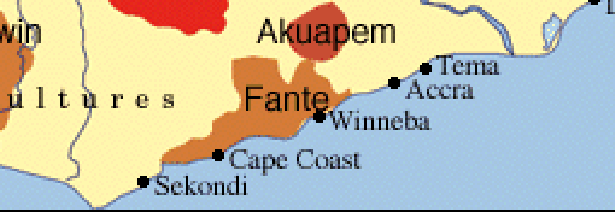 Also spelled Fante, historic group of states in what is now southern Ghana. It originated in the late 17th century when Fanti people from overpopulated Mankessim, northeast of Cape Coast, settled vacant areas nearby. The resulting Fanti kingdoms formed a confederacy headed by a high king (the Brafo) and a high priest. It extended from the River Pra in the west to the Ga region (around Accra) in the east. To the south was the Atlantic coast, dotted with Dutch and British trading forts; to the north was the expanding Ashanti empire. The Fanti, as intermediaries in Ashanti-European trade, debased Ashanti gold before selling it to the British and Dutch and controlled the flow of European firearms to the Ashanti. After decades of hostility, the Ashanti king Osei Bonsu conquered the Fanti confederacy (1806er declined, and in 1831 the British administrator of Cape Coast, George Maclean, negotiated a treaty providing for Fanti independence and Ashanti use of trade routes to the coast. Britain thereupon extended an informal protectorate over the south. Resistance crystallized in the 1860s, after the British and the Dutch agreed to an exchange of forts (1867) without consulting any African rulers. The kings of the Fanti kingdoms, Denkyera, and other southern states met at Mankessim early in 1868 to establish a self-governing state free from European domination. The new Fanti Confederation had an executive council, a judiciary, an army, taxes, and a written constitution. Although short-lived, it was strong enough that the Dutch became discouraged and abandoned the coast. The British successfully exploited rivalries among members of the Confederation, and it disbanded in 1873. The next year Britain annexed the whole region south of the Ashanti empire as the Gold Coast crown colony. The Fanti state occupies the coastal belt of Ghana, from Pra in the West to about twenty-four kilometres west of Accra, the current capital of Ghana. The Fanti states included the Eguafo, Dena (Elmina), the Efutu, Asebu, the Etsii, Komenda and shama. The Fanti controlled well-established kingdoms on the coast by the beginning of the fifteenth century. The Fanti first settled at Mankesim, on the coast. The first Fanti states to settle along the coast were Mankesim, abora, Anyan, Ekunfi and Nkusukum. Gomoa and Adjumako joined them later. Civil war characterised the political life of the Fanti at Mankesim in the middle of the seventeenth century. The conflicts wee over who should rule who. All groups claimed to be equal. The misunderstandings and wars compelled groups of the Ganti at Mankesin to move away from the troubles to establish peaceful settlements elsewhere. Groups also moved because of the desire to benefit from trade with European merchants. Competition to control the trade routes to the inland areas among the Fanti states themselves also made them move to the coast. The rising power of Ashanti generated the fear that Ashanti would move southwards to occupy Fantiland and the coast in general. With the defeat of Denkyira by Ashanti, traders from Ashanti were seen coming down the coast to trade with the Europeans. The role of middlemen played by the Fanti therefore became threatened. In order to maintain their position as middlemen the Fanti absorbed the neighbouring states. The Fanti dominated the coastal trade in firearms and the trade routes to the interior. To face the danger coming from the Ashanti, the Fanti considered it necessary to untie as one people. Abora became their headquarters instead of Mankesim. The Fanti had a Council of paramount chiefs or "Amanhin" as the supreme governing body of Fantiland. Periodically, chiefs of the various areas met to deliberate and find solutions to matters affecting the people. Ghana Web http://www.ghanaweb.com/GhanaHomePage/tribes/fanti.php
A Brief History of the Ashanti - .jpg) The Ashanti Confederacy is the largest ethnic group in Ghana. Ashanti culture belongs to the Akan linguistic group which has many dialects. The Akan language is older than the city of Kumasi. It was one of the major languages spoken in Ghana Civilization near Old Mali between 300 and 600 AD. When Ghana Civilization fell the Akan people began a slow migration along the Niger and Volta rivers until they reached their present location. The Ashanti speak Twi dialect of the Akan language. Akan speaking people are the largest Linguistic group in the Republic of Ghana. Some of the other ethnic groups connected with this language are Brong (to the north of Ashanti), Anyi and Fanti (who live on the Ghanaian Coast next to the Atlantic Ocean). The Ashanti nation evolved about 1700 AD, through a scheme developed by King Obiri Yeboah Manu and a relative Okonfo Anokye. The king and his subjects were controlled by a much large ethnic group known as Denkyra. Obiri had a nephew Osei Tutu who was to become his successor if the scheme worked. He offered his nephew as hostage to the Denkyira Court. His plan was to have his nephew learn the political systems of Denkyia. Then he put Okonfo Anokye in charge of watching over and coaching the child’s development as his spiritual counselor. After Obiri Yeboah Manu death the young nephew and Okonfo Anokye developed a bond which enabled the two individuals to work as one man rather than two. Together they were able to conquer the Denkyra Kingdom and many other ethnic groups of the surrounding area. The dual leadership of Ashanti king (known as Asantahene) and spiritual counselor still exist today. The founders contributed three things. First there was a confederacy government established with its central government in Kumasi. Second they instituted many Ashanti festivals and third they developed a new military system. EWE, GA - ADANGBE & LOBI in WEST AFRICA
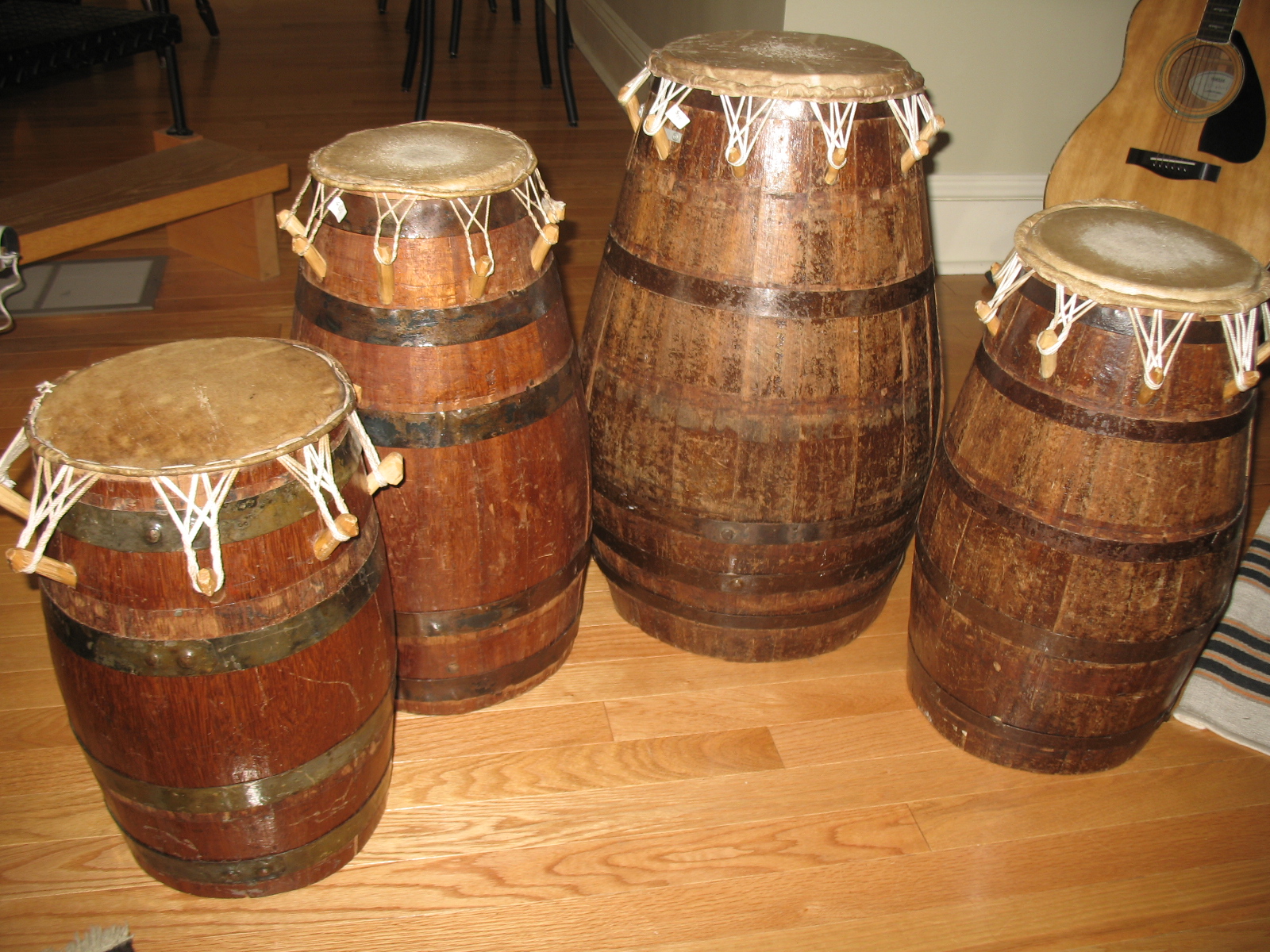
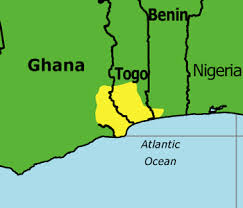 The Ewe people are tracked back to their original settlement in the Oye region of western Nigeria. It is thought that they migrated into Notsie, Togo, where they currently live in the seventeenth century. It is also thought that it was more of an escape because of a regime change in their city. When they first arrived, the current king, Adela Atogble, was nice. When he died, his successor changed everything because he ordered all elderly people killed. Sadly, there was a giant wll dividing them from the outside so nobody could escape. The plan was that the women would moisten the wall in one place and when it was weak enough the people would call upon the Gods and have them break the wall for them. When they escaped they set up individual villages along the coast. http://culturesofafrica.pbworks.com/w/page/21118328/Anlo-Ewe The Ewe occupy southeastern Ghana and the southern parts of neighboring Togo and Benin. On the west, the Volta separates the Ewe from the Ga-Adangbe, Ga, and Akan. Subdivisions of the Ewe include the Anglo (Anlo), Bey (Be), and Gen on the coast, and the Peki, Ho, Kpando, Tori, and Ave in the interior. Oral tradition suggests that the Ewe immigrated into Ghana before the midfifteenth century. Although the Ewe have been described as a single language group, there is considerable dialectic variation. Some of these dialects are mutually intelligible, but only with difficulty. Unlike the political and social organization of the Akan, where matrilineal rule prevails, the Ewe are essentially a patrilineal people. The founder of a community became the chief and was usually succeeded by his paternal relatives. The largest independent political unit was a chiefdom, the head of which was essentially a ceremonial figure who was assisted by a council of elders. Chiefdoms ranged in population from a few hundred people in one or two villages to several thousand in a chiefdom with a large number of villages and surrounding countryside. Unlike the Asante among the Akan, no Ewe chiefdom gained hegemonic power over its neighbor. The rise of Ewe nationalism in both Ghana and Togo was more of a reaction to the May 1956 plebiscite that partitioned Eweland between the Gold Coast and Togo than to any sense of overriding ethnic unity. Substantial differences in local economies were characteristic of the Ewe. Most Ewe were farmers who kept some livestock, and there was some craft specialization. On the coast and immediately inland, fishing was important, and local variations in economic activities permitted a great deal of trade between one community and another, carried out chiefly by women. http://www.ghanaweb.com/GhanaHomePage/tribes/ewe.php
|